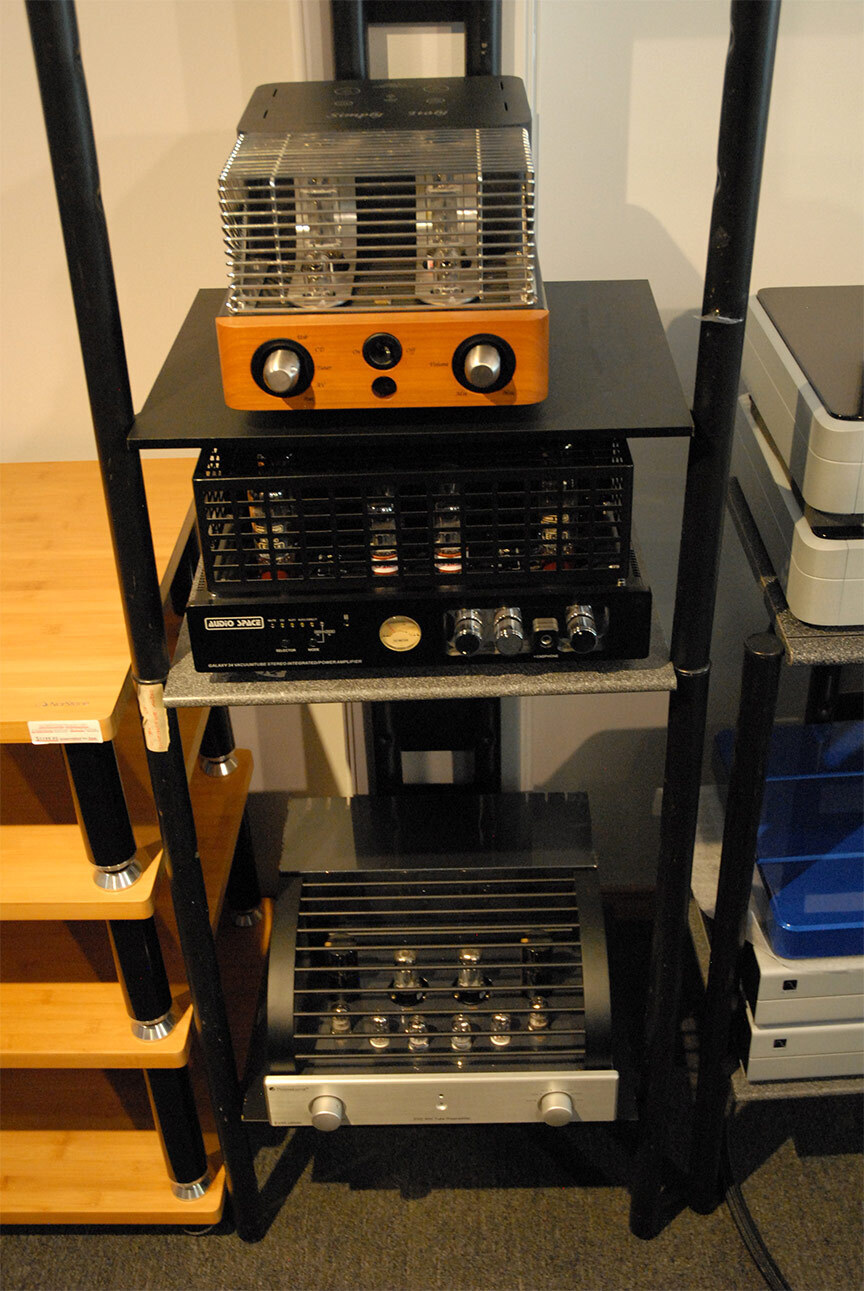
What Does a Power Amplifier Do?
A power amplifier takes the line-level signal from your preamplifier and provides the current and headroom to drive demanding loudspeakers without strain. Splitting amplification from the preamp stage keeps the high-current work in its own chassis and lets you choose and upgrade each component on its own merits — from the Parasound Halo A 21+ to the ModWright Instruments KWA 150SE. The payoff is composure: clean dynamics at volume and effortless control of the bass.
Monoblocks or a Stereo Amplifier?
A stereo amplifier handles both channels from a single chassis, while monoblocks dedicate an entire chassis and power supply to each channel. Monoblocks can sharpen channel separation and deliver more current into tough loads, and they let you place each amp beside its speaker for short cable runs; a well-built stereo amp such as the Parasound Halo A 21+ remains the practical choice for most rooms. The right answer depends on your speakers and how hard you drive them.
How Much Power Do Your Speakers Need?
Match power to your speakers, not to the biggest number on the spec sheet. Sensitivity and impedance decide how much current a speaker draws — lower-sensitivity, lower-impedance designs reward a powerful, high-current amplifier, while efficient speakers sing on far less. What matters most is comfortable headroom, so the amplifier never strains into clipping at your loudest. Tell us your loudspeakers and room, and we will steer you to the right pairing.