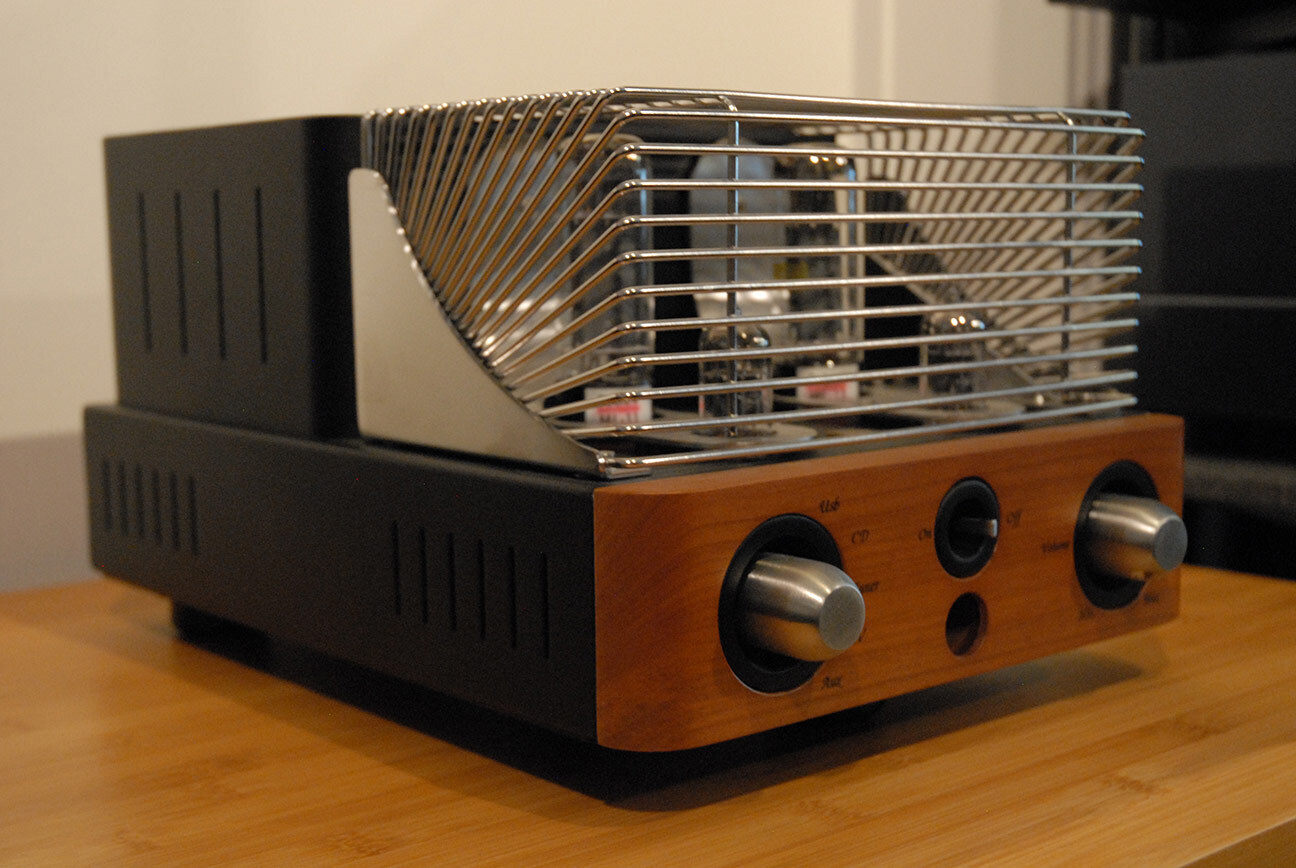
What Makes Tube Amplification Sound Different?
Tubes sound different because of the way they handle even-order harmonics, which the human ear perceives as musical and pleasing. The result is an organic warmth and three-dimensional holography that breathes life into the midrange, with a sense of air around voices and acoustic instruments. Much of that character comes from the output transformers that couple the glowing valves to your speakers — which is exactly why thoughtful speaker matching matters so much with a tube integrated.
Which Tubes — EL34 or KT88?
The output tube shapes much of an amplifier's voice. The EL34 — at the heart of the Unison Research Simply Italy and S6 — is celebrated for its lush, romantic midrange and singing vocals, while the KT88 in the Sinfonia trades a little of that warmth for greater authority, grip, and headroom. Neither is better in the abstract; the right valve depends on your speakers and the sound you are chasing, which is something an unhurried in-store listen makes obvious.
How Do I Match a Tube Amp to My Speakers?
Match a tube amp to your speakers by their sensitivity and impedance, not by watts alone. Tube integrateds generally pair best with higher-sensitivity loudspeakers — typically 90dB and above — that present a stable, friendly impedance curve, so a modest 12 to 35 watts can fill a room with effortless dynamics. Tell us your speakers and your room, and we will confirm whether they are a natural fit for valve power or steer you to the pairing that sings.